Your laptop updates itself while you’re refilling your mug. By the time you sit back down, a security patch has landed, a license has been validated, and one unused app has quietly lost access. No pop-ups. No IT ticket and no waiting.
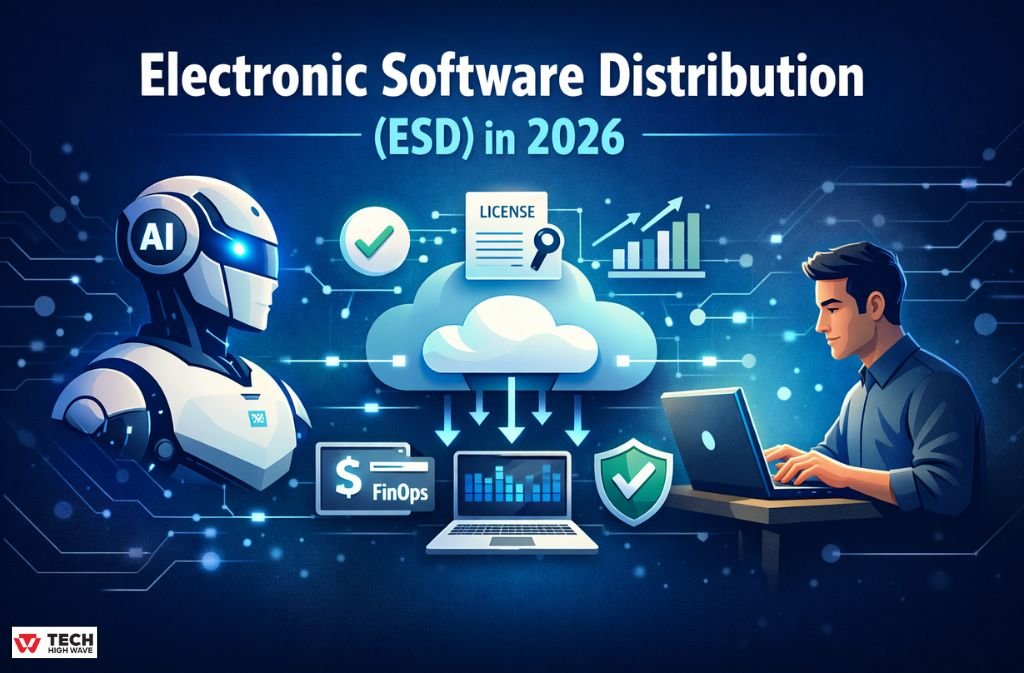
That invisible pipe moving software, permissions, and updates across devices is Electronic Software Distribution (ESD). And in 2026, it’s no longer just about downloads. It’s a living system that watches usage, reallocates licenses in real time, and now even serves AI agents alongside humans.
This guide explains what electronic software distribution is, how modern ESD systems work, where businesses go wrong, and why Agentic AI + Real-Time License Intelligence have changed the economics of software delivery for good.
What Is Electronic Software Distribution (ESD)?
Electronic Software Distribution (ESD) is the digital delivery of software to users without physical media—combined with license management, authentication, updates, and access control.
In practice, ESD covers:
-
Secure software delivery (downloads, installers, cloud access)
-
License activation and entitlement management
-
Automatic updates and patching
-
User and device authentication
-
Usage tracking and compliance reporting
When you receive a download link, activate a product key, and your app updates itself later—that full lifecycle is ESD.
Large vendors like Microsoft and Adobe don’t treat ESD as a storefront feature anymore. It’s part of their licensing, compliance, and revenue protection stack.
ESD vs Digital Distribution: What’s the Difference?
These terms get mixed up, but in 2026 the distinction matters—especially for enterprise buyers.
| Dimension | Electronic Software Distribution (ESD) | Digital Distribution |
|---|---|---|
| Scope | Software-focused | All digital content |
| License management | Core function | Often absent |
| Authentication | Built-in | Optional |
| Compliance & audits | Required | Rare |
| Typical use | Enterprise & SaaS delivery | Media, ebooks, video |
Rule of thumb:
All ESD is digital distribution. Not all digital distribution qualifies as ESD.
How Modern ESD Systems Work (2026 Model)
Think of ESD as a closed-loop system, not a one-time delivery:
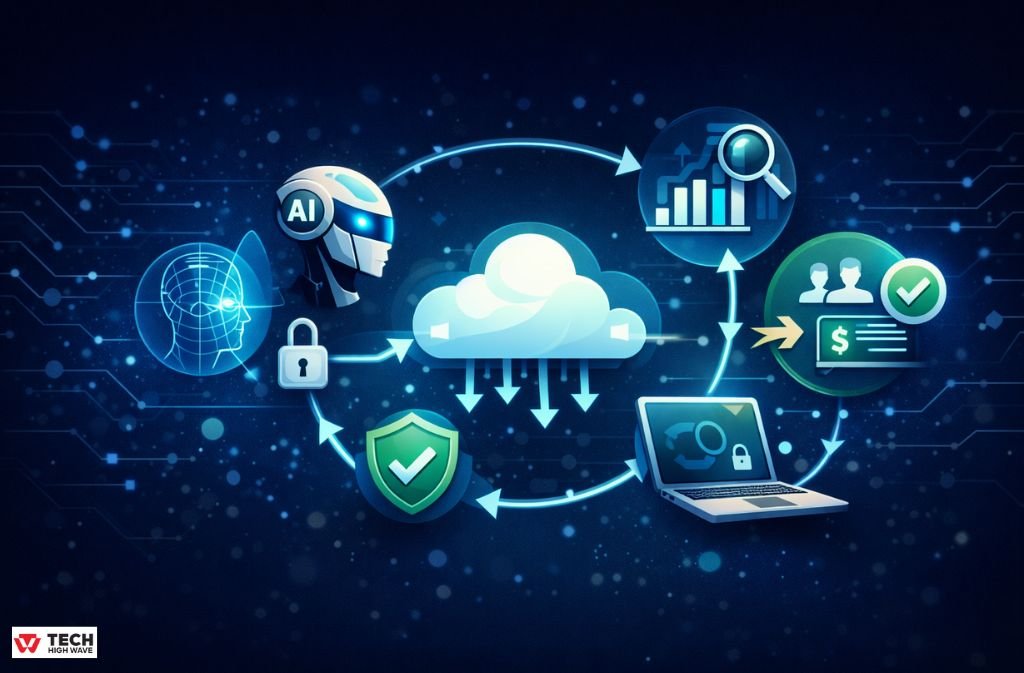
1) Identity & Entitlement
The platform checks who (or what) is requesting access: employee, contractor, or AI agent.
2) Secure Delivery
Software or cloud access is provisioned instantly.
3) Real-Time Telemetry
Usage is monitored continuously, not quarterly.
4) Dynamic License Control
Unused licenses are reclaimed. Access can be revoked or reassigned.
5) Continuous Updates
Security patches and version updates deploy silently.
Enterprise platforms from companies like IBM increasingly embed ESD telemetry directly into security and compliance dashboards.
Agentic AI & Real-Time License Intelligence: The 2026 Shift
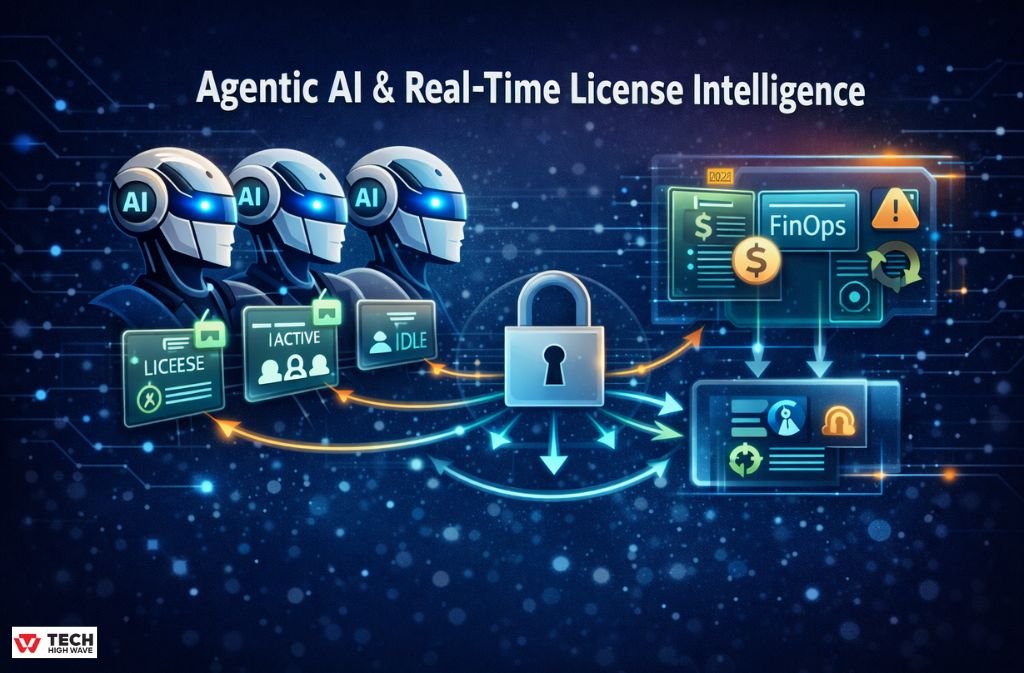
By late 2025, many enterprises hit an inflection point: AI agents began outnumbering human workers for routine digital tasks.
In 2026, those agents also consume software licenses.
This forced ESD systems to evolve in three major ways:
1) Agent-Ready Infrastructure
Licenses are now issued not just to people, but to autonomous agents performing tasks like:
-
Data cleanup
-
Automated reporting
-
Customer support triage
-
Code review
2) Real-Time License Intelligence
Static audits no longer work. Modern ESD systems stream telemetry to show:
-
Which licenses are active
-
Which are idle
-
Which are used by agents vs humans
-
Where duplication exists
3) FinOps for Software
Finance teams now manage licenses the way they manage cloud spend. Idle licenses trigger alerts. Unused tools are automatically reclaimed.
Auditor’s Note (2026):
Organizations without real-time ESD telemetry typically overspend on unused software (“shelfware”) by roughly 20–25%.
Also Check: WhatsMyName App Explained: Find Usernames Online Safely (2026)
Usage-Based vs Seat-Based Licensing (Why Costs Shifted in 2026)
| Feature | Seat-Based Licensing | Usage-Based Licensing (2026 Standard) |
|---|---|---|
| Billing | Fixed per user | Pay for actual usage |
| AI agent support | Poor | Native |
| Waste risk | High | Low |
| FinOps compatibility | Weak | Strong |
| Best fit | Legacy orgs | AI-native orgs |
If your ESD stack can’t support usage-based licensing, you’re structurally locked into higher software spend.
Real-World Example: Zero-Touch Deployment in 2026
A remote-first fintech onboarded 60 hires across three regions.
Each new employee received a sealed laptop. On first login:
-
The ESD system detected the role and region
-
Automatically provisioned 14 licensed apps
-
Bound licenses to biometric identity
-
Applied compliance policies
-
Reclaimed unused licenses when roles changed
Results:
-
Onboarding time dropped from 2 days to under 20 minutes
-
License waste fell by 31% in one quarter
-
Support tickets dropped sharply
This is what zero-touch deployment actually looks like in 2026.
Sustainability & ESG: Why ESD Now Affects Procurement
ESD now plays into Scope 3 emissions reporting for digital supply chains.
Enterprises increasingly assess vendors based on:
-
Elimination of physical media
-
Efficient cloud delivery
-
Transparent digital product passports (DPP)
-
License efficiency (less waste = lower digital footprint)
Sustainability is no longer branding—it’s influencing enterprise software procurement scoring.
Common ESD Mistakes (Still Costly in 2026)
-
Treating ESD as “just downloads.”
-
Ignoring license telemetry
-
No automated reclamation
-
Weak agent authentication
-
Poor onboarding UX for new hires
These mistakes show up later as higher costs, audit risk, and security gaps.
2026 ESD Snapshot (Quick Facts)
-
Enterprise software spend: Approaching $1.4 trillion globally
-
Operational shift: Continuous telemetry replacing annual audits
-
Platform trend: ESD is now managed by internal platform engineering teams
FAQs
Q. What is electronic software distribution in simple terms?
Electronic software distribution means delivering software digitally with built-in licensing, updates, and access control instead of physical media.
Q. What is an example of electronic software distribution?
Downloading licensed software from a vendor portal and activating it online is a common ESD example.
Q. What does ESD delivery mean in business?
ESD delivery refers to the secure digital provisioning of software, licenses, and updates to employees or systems.
Q. Is ESD the same as digital distribution?
No. Digital distribution covers all digital content, while ESD specifically manages software delivery, licensing, and compliance.
Q. How does ESD software licensing work in 2026?
ESD software licensing in 2026 is real-time and usage-based, dynamically allocating licenses to humans and AI agents based on telemetry.
Q. Why is real-time license intelligence important?
Because static audits miss unused licenses, leading to overspending, compliance risk, and software sprawl.
Conclusion
Electronic Software Distribution in 2026 isn’t a background process—it’s a control system for cost, security, compliance, and now AI agents. Teams that treat ESD as strategic infrastructure gain faster onboarding, lower license waste, and cleaner audits. Teams that don’t end up paying for software nobody—human or agent—is actually using.
If you’re evaluating platforms or vendors, understanding what electronic software distribution really is in 2026 helps you spot the difference between basic digital delivery and a system built for modern, agent-driven operations.