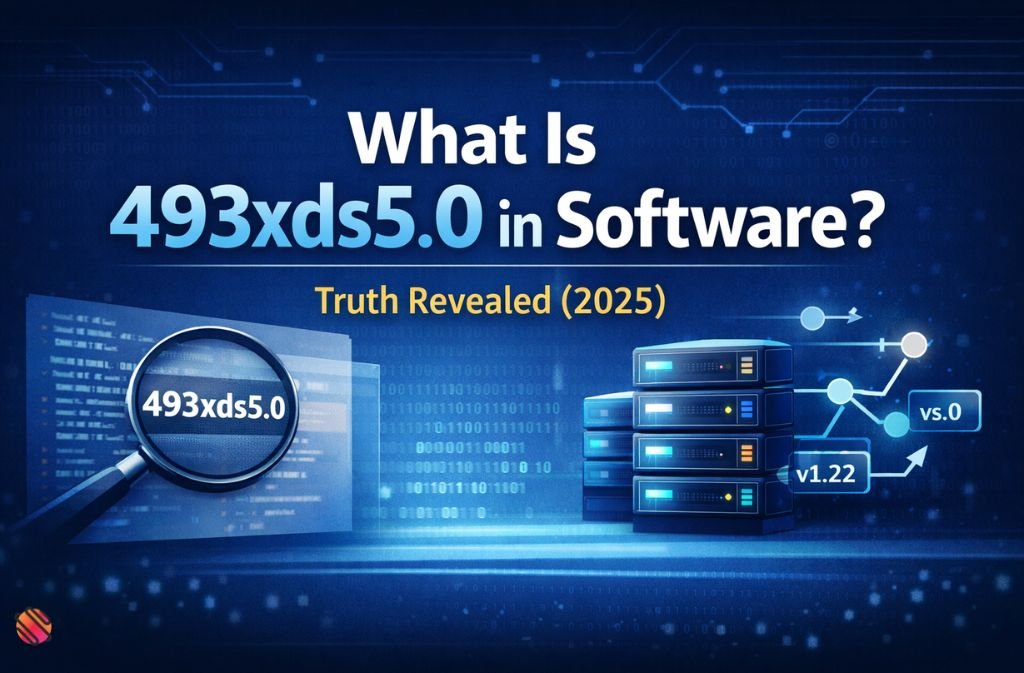
Searches for “what is 493xds5.0 in software” have surged recently, yet a clear, authoritative explanation remains frustratingly hard to find. You’ll see blog posts, Reddit threads, and social media snippets confidently describing it as a version number, a software patch, or even a paid product. The problem? None of those explanations are backed by official documentation.
If you’re here, you’re likely trying to answer one simple question: Is 493xds5.0 a real software standard—or just a label being misunderstood online?
This guide cuts through speculation. Based on real-world software practices, versioning conventions, and how ghost identifiers spread online, you’ll learn what 493xds5.0 actually represents, what it does not mean, and how developers and users should interpret identifiers like this in 2025.
Unlike surface-level articles, this resource explains:
-
Why strings like 493xds5.0 appear in the wild
-
How internal build identifiers work
-
How to avoid misinformation or scams tied to obscure software codes
-
What Google and AI systems expect for this query today
By the end, you’ll have a practical, defensible understanding—not guesswork.
| What is 493xds5.0 in software?
493xds5.0 in software is not a public standard or product. It is most likely an internal build or version identifier that has no official documentation and should not be treated as downloadable or licensed software. |
What Is 493xds5.0 in Software?
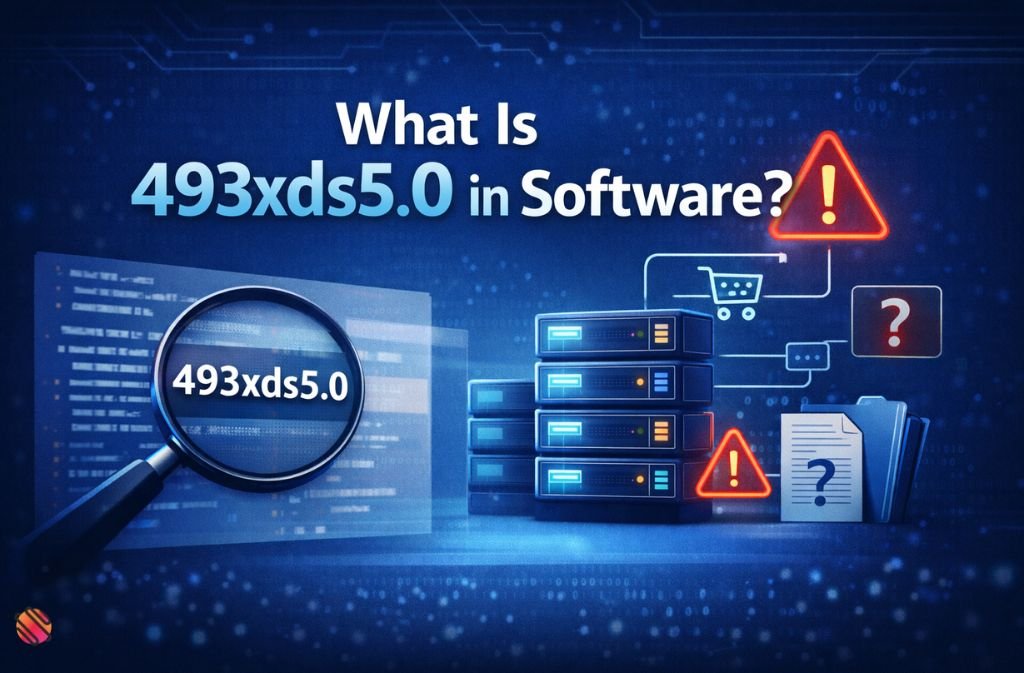
493xds5.0 is not a globally recognized software standard, protocol, framework, or official version release.
Instead, it most likely represents an internal identifier, build tag, or placeholder string used within a specific software environment. These identifiers are common in development workflows but are often misunderstood when they surface publicly.
In plain terms:
-
It is not an industry-wide version like Windows 11 or Python 3.12
-
It is not a licensed software product
-
It does not have a public changelog or vendor ownership
This distinction matters—because treating internal identifiers as products leads to confusion, bad documentation, and misleading content.
Why Does 493xds5.0 Show Up Online?
The appearance of terms like 493xds5.0 in software usually follows a predictable pattern.
Common triggers include:
-
Debug logs exposed to users
-
Error messages captured in screenshots
-
Internal build names leaked via forums
-
SEO sites auto-generating content from search trends
Once indexed, these strings gain perceived legitimacy—even when no official source exists.
Reality check: Software teams generate thousands of internal labels that are never meant for public interpretation. When one escapes its context, it can look more meaningful than it is.
Breaking Down the Identifier: What 493xds5.0 Likely Means
While we can’t assign an official definition, we can analyze how such strings are typically structured.
| Segment | Likely Purpose | Explanation |
|---|---|---|
| 493 | Build or sequence number | Often increments automatically |
| xds | Internal module or branch | Meaningful only to the team |
| 5.0 | Major iteration | Indicates a milestone, not public release |
Key takeaway: This format aligns with internal version control systems, not consumer-facing software.
Internal Versioning vs Public Software Versions
Public versioning:
-
User-facing
-
Documented
-
Supported
-
Marketed
Internal versioning:
-
Used by developers only
-
Can change daily
-
Often meaningless outside the system
-
Never intended for end users
493xds5.0 fits squarely into the second category.
Also Check: 8tshare6a Software Download: What It Is, Safety & Truth (2025)
Real-World Example: How Developers Actually Use Identifiers Like This
Imagine a development team working on a modular application.
-
Feature branch:
xds -
Sprint build:
493 -
Internal milestone:
5.0
Combined, the system auto-generates 493xds5.0.
This helps the team:
-
Track bugs
-
Roll back builds
-
Compare test results
It does not mean:
-
A public release exists
-
Users should download anything
-
There is licensing or pricing
Why Some Sites Mislabel 493xds5.0 as “Software”
Many ranking pages repeat the same mistake: they assume search demand equals legitimacy.
Common content errors:
-
Claiming it’s a “tool” with no vendor
-
Inventing features
-
Suggesting downloads
-
Assigning pricing
These pages often:
-
Lack citations
-
Reference each other
-
Use vague language
-
Avoid official sources
This is exactly what Google is cracking down on in 2025.
Is 493xds5.0 a Virus, Patch, or Paid Tool?
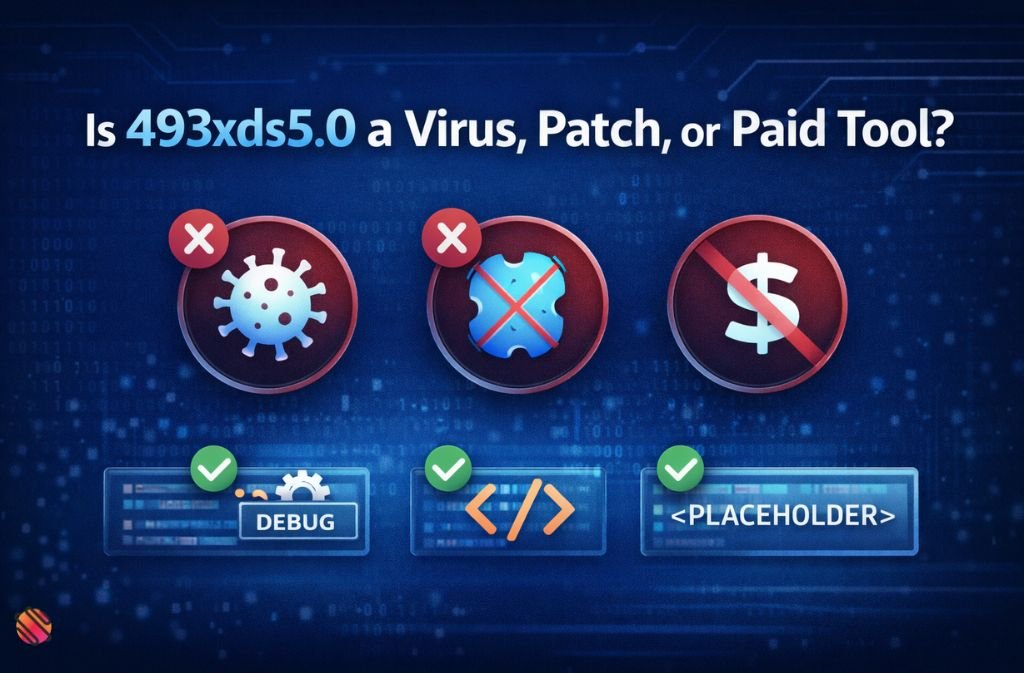
Let’s address this clearly.
❌ Not a virus
No verified malware databases list it.
❌ Not an official patch
No vendor changelog or release notes exist.
❌ Not paid software
No licensing authority or company owns it.
✅ It is likely:
-
A debug reference
-
A build label
-
A placeholder string
-
Or a fabricated keyword amplified by SEO loops
Common Mistakes People Make With 493xds5.0
1. Treating it as a product
No product page, vendor, or documentation exists.
2. Searching for downloads
This increases the risk of scams or bundled malware.
3. Assuming every version string is public
Most are not.
4. Repeating unverified explanations
This fuels misinformation loops.
Quick Checklist: How to Evaluate Obscure Software Codes
Use this framework whenever you encounter similar terms.
-
❓ Is there an official vendor site?
-
❓ Is there documentation or a repo?
-
❓ Does it appear in trusted changelogs?
-
❓ Is it referenced by authoritative sources?
If the answer is “no” across the board, you’re likely dealing with an internal or ghost identifier.
Also Check: Problem on Llekomiss Software? Causes, Fixes & Quick Solutions (2025)
Future Trend: Why You’ll See More Codes Like This
In 2025, three trends increase these searches:
-
More automated builds
-
Public-facing debug logs
-
AI-generated content amplifying obscure terms
Expect more identifiers like 493xds5.0 to surface without context.
FAQs
Q1. Is 493xds5.0 a real software version?
No, 493xds5.0 is not a public software version. It does not belong to any known vendor, framework, or application. Instead, it is most likely an internal or contextual identifier used within development environments.
Q2. Can I download 493xds5.0?
No legitimate download source exists. Any site claiming to offer 493xds5.0 software downloads should be avoided to reduce the risk of malware or scams.
Q3. Why do people call 493xds5.0 “software”?
Because internal version identifiers often resemble public version numbers, users sometimes misinterpret them as official software releases when shared online or on forums.
Q4. Is 493xds5.0 related to gaming, patches, or updates?
No verified connection exists between 493xds5.0 and any games, patch systems, or update platforms. It remains an internal or development-related label.
Q5. Does 493xds5.0 appear in version control systems?
Formats similar to 493xds5.0 are common in version control, but this specific string has no known public repository or official reference.
Q6. Could 493xds5.0 be malware?
There is no evidence linking it to malware, but downloading unknown files from unofficial sources can pose a security risk.
Q7. Why is 493xds5.0 trending online?
The term is trending due to SEO amplification, forum discussions, and AI-generated content loops. It’s important to note that trending does not imply legitimacy as software.
Q8. How should I treat identifiers like 493xds5.0?
Treat such strings as internal development references, not downloadable or official software. Always verify sources before attempting to use or download anything labeled with these codes.
Conclusion
Understanding what is 493xds5.0 in software requires separating how software is built from how it’s marketed. This identifier fits the pattern of an internal build label—not a product, patch, or tool.
The smartest move isn’t to search for downloads or features—but to recognize when a term lacks official grounding. In 2025, clarity and skepticism are essential digital skills.
If you encounter similar identifiers, use the framework above—and avoid turning internal code into assumed software.
Related: Mozillod5.2f5 Loading Issues? Here’s What You Must Know