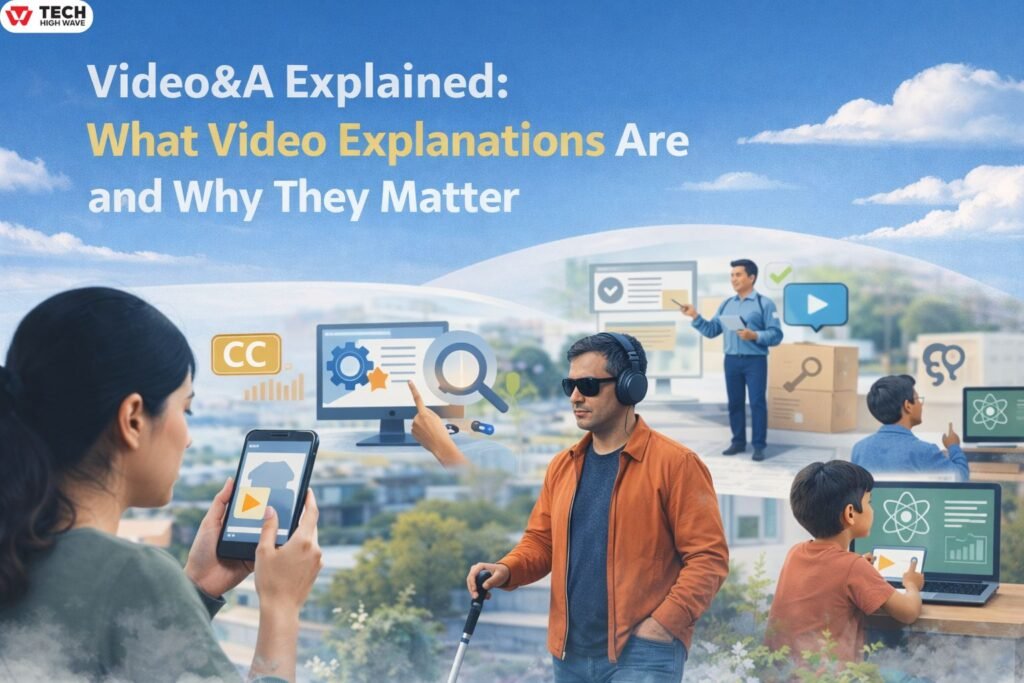
People search for terms like “video explained” or Video&A Explained when a video leaves them confused, overwhelmed, or unsure what they were supposed to learn. Maybe the video is too long. Maybe it skips steps. Or maybe it explains everything except the one thing the viewer needed.
This article focuses on fixing that problem. It explains what video explanations actually are, how they work in real use, and how to create explainer videos that make sense the first time—especially on mobile and across different accessibility needs.
What Video&A Explained Means
Video&A Explained is not a single format or tool. Rather, it’s an approach to video content that prioritizes understanding.
In practice, this often includes breaking down long or dense videos into clear ideas, explaining YouTube videos that move too fast or lack context, turning product demos into step-by-step walkthroughs, and making videos usable even without sound.
At its core, Video&A Explained removes friction. Instead of adding more content, a good explanation focuses on subtraction—because clarity doesn’t come from saying more, but from removing confusion.
How Video Explanations Work
Effective video explanations start with intent.
First, the creator decides what the viewer needs to understand by the end. Not everything—just the outcome. From there, the video is shaped around that goal. As a result, unnecessary sections are trimmed, pacing is adjusted, and visuals are added only when they help clarify what’s happening.
At this stage, the explanation layer may include calm narration that points out what matters, on-screen text that reinforces key moments, and visual cues that gently guide attention. When everything works together, the viewer doesn’t feel taught. Instead, they feel guided.
What to Look for in Video&A Explained Tools
Visual Clarity
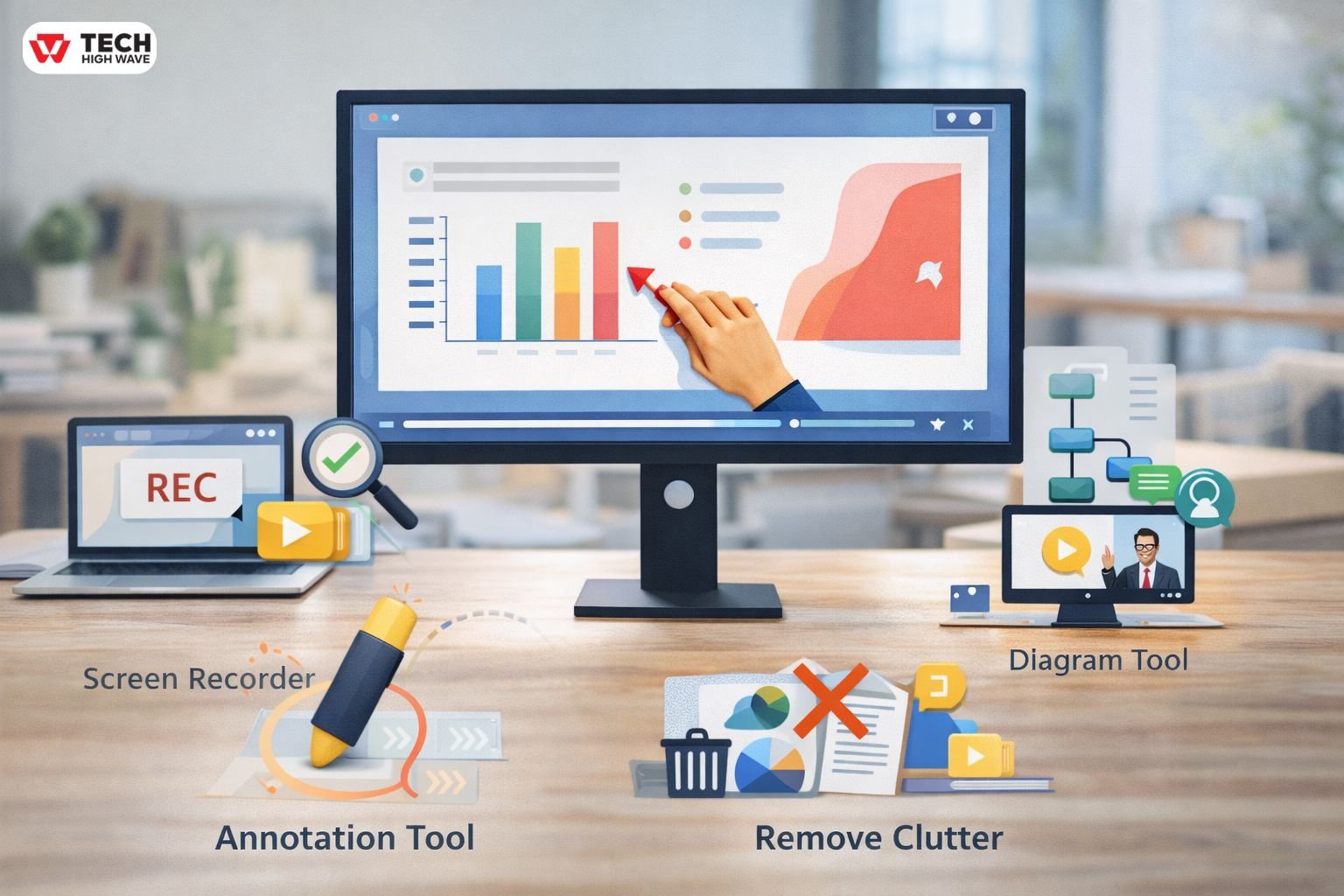
Charts, highlights, and graphics should exist for one reason: clarity.
Effective Video&A Explained tools make it easy to:
- Highlight actions as they happen
- Show simple diagrams instead of long explanations
- Remove clutter rather than add decoration
- Emphasize key moments without overwhelming viewers
If a visual doesn’t help someone understand faster, it doesn’t belong. Well-chosen visuals should guide attention and simplify the message rather than distract from it.
Storage and Context
Explainer videos often live longer than expected.
A reliable platform should allow you to:
- Store videos securely with backup options
- Update explanations without re-recording everything
- Attach reference documents, slides, or notes
- Organize videos in folders or libraries for easy retrieval
This is especially important for training programs, documentation, and educational content, where videos may be referenced months or years after creation.
Review and Feedback
Clear explanations almost always improve with feedback. A single perspective rarely uncovers every point of confusion. That’s why structured review is critical.
Strong platforms offer features that:
- Allow time-stamped comments so feedback relates directly to the relevant moment
- Enable easy sharing with reviewers, team members, or subject-matter experts
- Track revisions so teams can see changes, compare versions, or undo mistakes
- Support collaborative workflows to reduce confusion and streamline approval
For example, a software tutorial video can be reviewed by a trainer, developer, and support agent—all providing insights to make explanations more accurate and easier to follow. Proper review reduces errors and ensures the final video communicates clearly.
Privacy and Control
When videos include internal workflows, customer information, or sensitive content, privacy is critical.
A professional platform should:
- Clearly define content ownership
- Control who can view, edit, or share videos
- Provide role-based permissions and user management
- Offer encrypted storage and secure cloud backups
- Maintain audit logs to track access and edits
For instance, a customer support training video may cover real scenarios. Role-based access ensures only authorized staff can view it, and audit logs record who made changes. Clear ownership and security policies protect organizations legally and ensure content remains accurate over time.
Accessibility and Inclusive Design
Modern video explanation is useless if everyone can’t access it.
The best tools help you:
- Add accurate captions for hearing-impaired viewers
- Include audio descriptions for visually impaired viewers
- Use readable fonts and sufficient color contrast
- Optimize pacing so viewers can follow along, even on mobile
- Preview the video in different modes (silent, mobile, vertical)
Accessibility improves comprehension for everyone, not just those with specific needs. Videos that meet inclusive standards are easier to understand, more engaging, and often perform better in search results.
Where Video&A Explained Is Most Useful
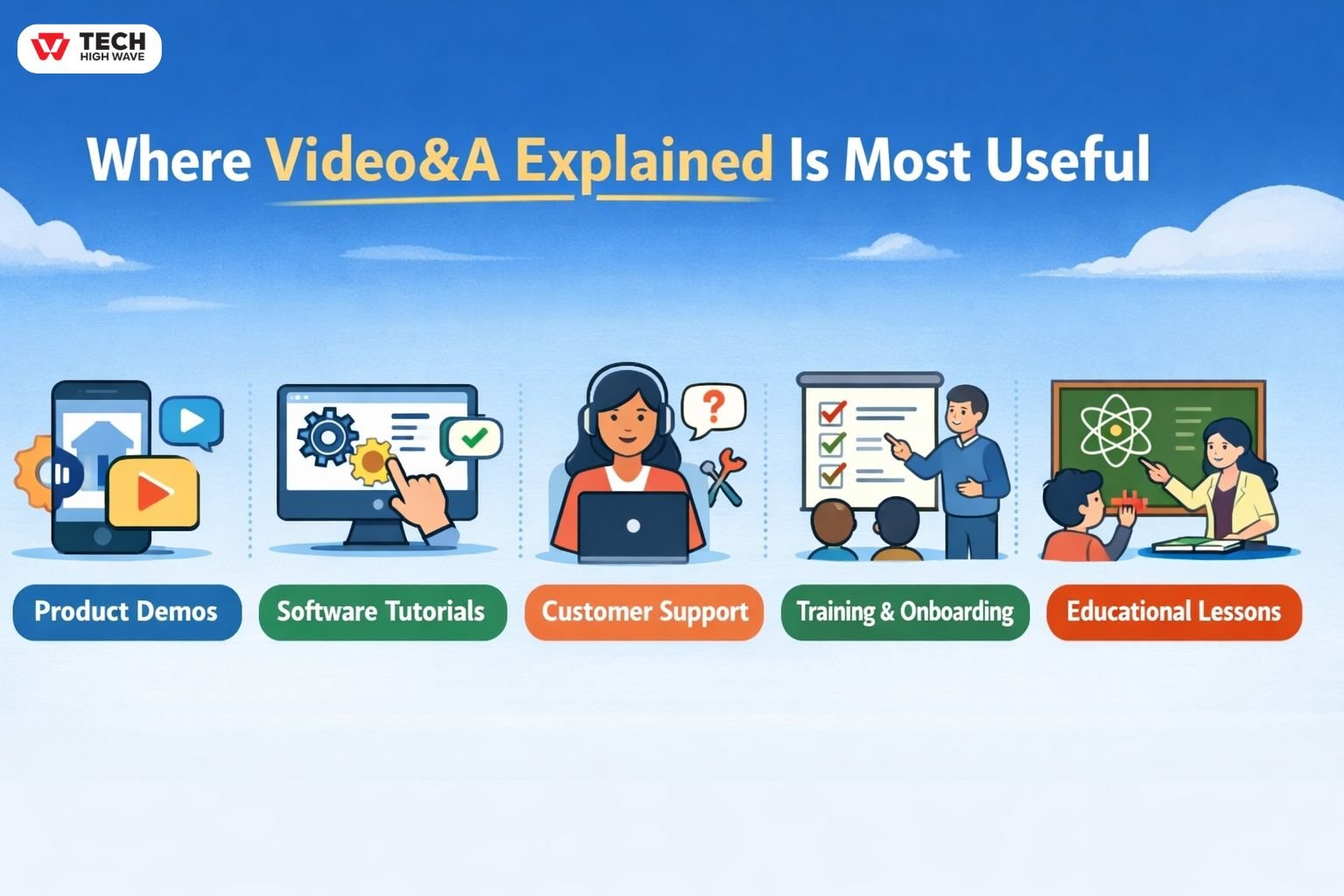
Video&A explanations matter most where confusion costs time.
Common examples include:
- Educational lessons and recorded training
- Product demos and onboarding videos
- Customer support and troubleshooting
- Long or complex YouTube content
If viewers pause, rewind, or give up, the explanation wasn’t clear enough.
Who Should Use Video&A Explained
This approach isn’t limited to creators.
It’s especially useful for:
- Educators and trainers
- Software and product teams
- Support and documentation teams
- Businesses creating how-to or informational videos
If your audience watches on a phone—and most do—clear explanation matters more than polish.
Choosing the Right Approach
There’s no single “best” setup. Instead, the right choice depends on the video’s purpose and audience.
For example, some videos need speed, whereas others require precision. Similarly, some benefit from automation, while others demand careful scripting.
Ultimately, the best approach is the one that makes explanations easier to maintain over time, rather than just easier to publish once.
Why Mobile-First and Vertical Matter
Most explainer videos are still designed for desktops.
Most viewers are not on desktops.
Today, the majority of video views happen on mobile devices, and moreover, they are often in vertical orientation. As a result, this significantly changes how explanations should be planned and built.
Effective mobile-first explainer videos:
- Use vertical (9:16) layouts intentionally
- Keep text large and readable
- Place visuals where cropping won’t hide them
- Make sense without sound
If a video only works sideways, it’s already behind.
Common Mistakes to Avoid
The same issues appear again and again:
- Explaining too much at once
- Using visuals as decoration
- Ignoring mobile viewing behavior
- Skipping accessibility features
- Publishing without review
Where Video Explanations Are Headed
Video explanation is becoming expected.
Viewers want answers faster.
Search engines reward clarity.
Accessibility standards continue to rise.
The videos that perform best aren’t louder or flashier. They’re easier to understand.
Related: kz43x9nnjm65 Explained: Scam, System Log, or Safe?
FAQs
Q.1 What is an explained video?
An explained video is designed to help viewers clearly understand a topic or process. It focuses on guidance and structure rather than raw footage.
Q.2 What is a video explanation?
A video explanation adds context to what’s happening on screen so viewers can follow along without confusion.
Q.3 Can videos be explain automatically?
Tools can summarize and organize video content, but human review is still important for accuracy and clarity.
Q.4 How do you make a good video explanation?
First, decide what matters. Then, remove distractions. Next, guide attention visually. Finally, design for mobile and accessibility from the start. By following these steps, your video will be clear and easy to understand.
Q.5 What are common explainer video examples?
Typically, these include product walkthroughs, tutorials, and educational lessons. In addition, “video explained” content is another common example that helps viewers quickly grasp complex ideas.
Final Thought
Video&A Explained isn’t about production value.
It’s about respect—for attention, accessibility, and how people actually watch videos today.
If your video makes something easier to understand, it’s doing its job.
Also check: Talaxy Login 2026: Parent, Student & App Access (Fix Login Issues)