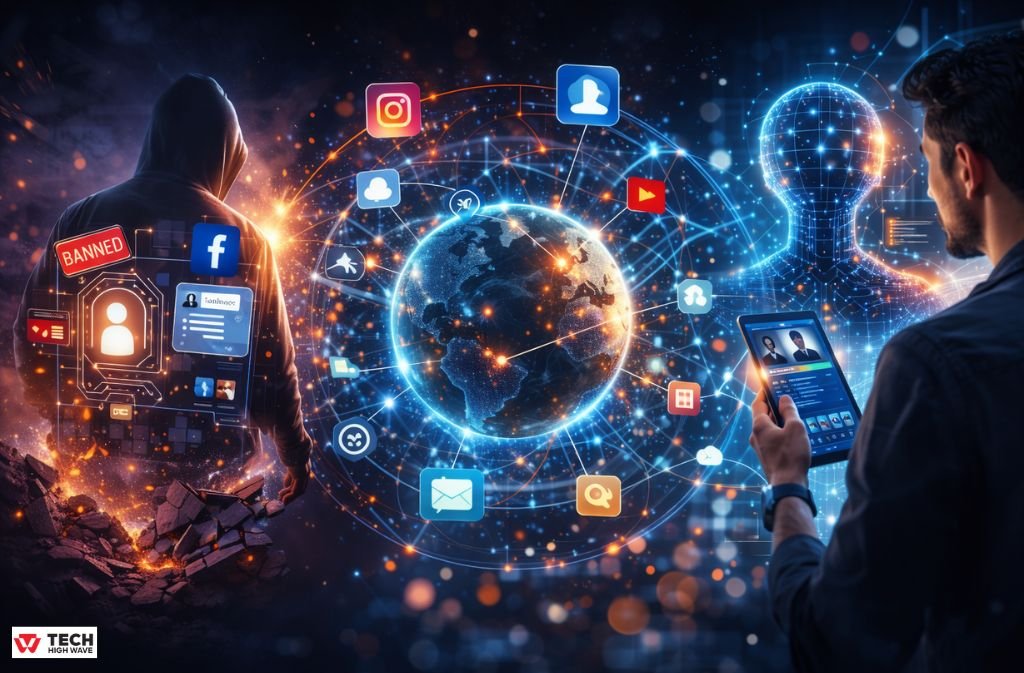
In late 2025, a small digital illustrator on TikTok lost access to their account overnight.
Years of work vanished. Followers disappeared. Their reputation—built post by post—was locked inside a platform they no longer controlled.
Stories like this are becoming increasingly common across the modern digital landscape. Creators, developers, and founders are realizing something uncomfortable: most online identities are fragile. They exist inside platforms, not outside them.
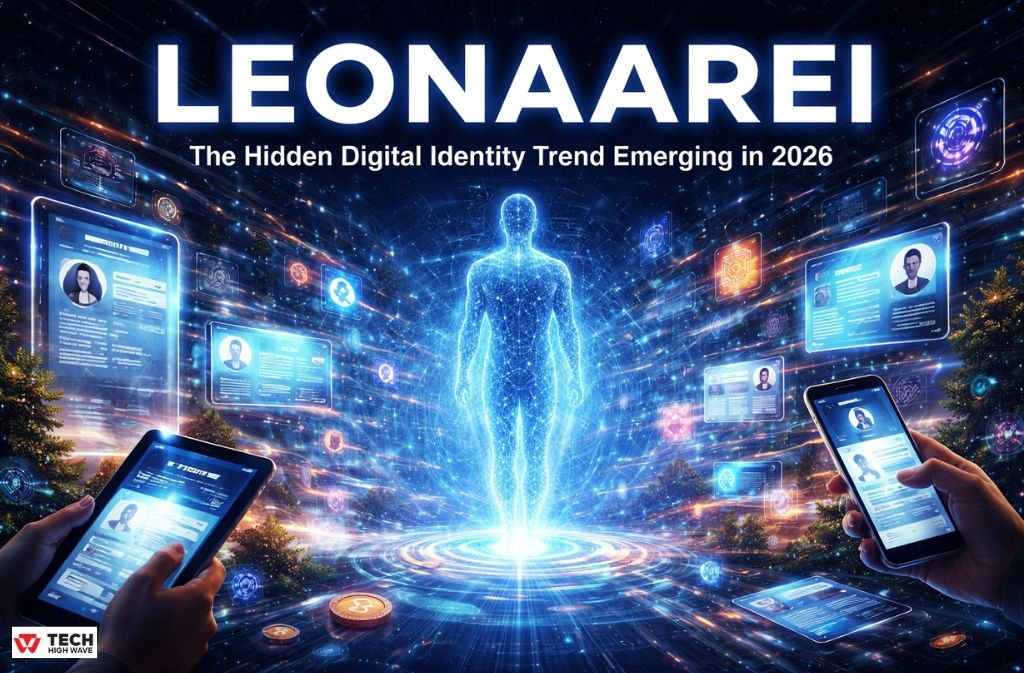
This is where the concept of leonaarei has quietly started appearing in niche communities.
At its core, Leonaarei represents a portable digital identity framework—an approach to building an online presence that exists across digital environments rather than inside a single platform.
While the term itself is still emerging, the idea behind it aligns with major shifts happening right now:
-
decentralized identifiers
-
portable reputation systems
-
AI-assisted digital personas
-
creator-controlled digital ecosystems
In other words, leonaarei isn’t just a word—it reflects a broader shift in how identity works online.
This guide explains what the concept means, why it’s becoming increasingly relevant, and how individuals can apply its principles to build resilient digital identities in 2026 and beyond.
What Is Leonaarei?
Leonaarei refers to an emerging digital identity model designed for creators and professionals operating across multiple digital platforms.
Instead of relying on a single account—like a social media profile—the concept focuses on building a portable identity layer that connects content, reputation, and digital assets across the internet.
In simple terms:
Leonaarei is a framework for building a portable digital identity that remains consistent across evolving digital ecosystems.
The idea reflects a reality of modern online life: people no longer operate in one place.
Today’s creators may simultaneously publish on:
-
social media
-
newsletters
-
video platforms
-
decentralized communities
-
AI-driven content systems
A leonaarei-style identity functions as the connective tissue linking those environments.
Why Leonaarei Has Emerged in the Modern Digital Landscape
The rise of leonaarei is not random. It reflects deeper structural changes in how the internet works.
Three major forces are driving this shift.
1. Platform-Dependent Identity Is Fragile
For most of the internet’s history, digital identity has been platform-owned.
Your reputation lived inside:
-
a social media account
-
a marketplace profile
-
a single website
If the platform changed its algorithm—or banned the account—the identity could disappear instantly.
This fragility has pushed creators to search for alternatives that offer long-term ownership of identity and audience relationships.
2. Digital Ecosystems Continue to Expand
The internet is no longer a handful of large platforms.
It is now a sprawling network of:
-
creator communities
-
decentralized platforms
-
AI-generated environments
-
micro-social networks
As digital ecosystems continue to evolve, identity must travel across them.
This portability is a compelling aspect of leonaarei.
3. Artificial Intelligence Is Changing Online Presence
AI tools now assist with:
-
content creation
-
community management
-
audience interaction
-
knowledge synthesis
In this environment, creators increasingly operate with AI-assisted digital personas.
A unified identity framework—like leonaarei—helps maintain consistency across these AI-driven interactions.
The Leonaarei Identity Stack
To understand the concept more clearly, it helps to break it into layers.
Think of leonaarei as a structured system composed of several components.
| Layer | Purpose | Example Technologies |
|---|---|---|
| Identity Layer | Establishes unique digital identity | decentralized identifiers |
| Trust Layer | Verifies reputation and credentials | verifiable credentials |
| Persona Layer | Maintains consistent digital voice | AI assistants |
| Distribution Layer | Connects presence across platforms | APIs, social media |
| Asset Layer | Protects ownership of content | decentralized storage |
Each layer strengthens the long-term durability of digital identity.
Rather than relying on a single account, the identity exists across systems.
How Leonaarei Works in Real-World Scenarios
Although the term itself is new, the ideas behind leonaarei are already visible in real-world digital practices.
Here are three examples.
Creator Economy
A creator who embraces the leonaarei model might:
-
publish videos on social platforms
-
run a private newsletter
-
maintain a community forum
-
release digital products
All content connects back to a central digital identity, not a single platform.
This approach provides a competitive advantage when algorithms or platform rules change.
Independent Developers
Developers often operate across multiple ecosystems:
-
open-source repositories
-
developer forums
-
technical blogs
-
startup communities
A unified digital identity framework helps them maintain credibility and reputation across environments.
Knowledge Professionals
Writers, analysts, and consultants increasingly work across:
-
podcasts
-
long-form articles
-
research platforms
-
online communities
By using a leonaarei-style identity, they maintain consistent authority regardless of platform.
How to Build a Leonaarei-Style Digital Identity
While the concept may sound abstract, it can be applied practically.
Here is a simple framework.

Step 1: Establish a Unique Identity Anchor
Choose a consistent digital identity:
-
name
-
domain
-
handle
The key is long-term ownership.
Domains and personal websites often provide the most stability.
Step 2: Create a Central Content Hub
A hub ensures your identity is not dependent on external platforms.
Common hubs include:
-
personal websites
-
newsletters
-
knowledge bases
Everything else links back to this foundation.
Step 3: Build Cross-Platform Presence
Expand to multiple digital platforms while maintaining the same identity.
Examples include:
-
professional networks
-
video platforms
-
community forums
Consistency strengthens recognition.
Step 4: Use AI as a Support Layer
Artificial intelligence tools can help maintain consistent voice and productivity across platforms.
For example:
-
drafting posts
-
summarizing insights
-
answering community questions
Used thoughtfully, AI becomes a support system for identity rather than a replacement for it.
Also Check: What Is Smart Response Technology? How It Works, and Whether It Still Matters in 2026
Misconceptions About Leonaarei
Because the concept is new, misunderstandings are common.
Misconception 1: It’s Just a Username
A username is only one piece.
Leonaarei represents a broader strategy for identity ownership across digital environments.
Misconception 2: It Requires Advanced Technology
While future identity systems may involve sophisticated tools, the core idea is simple:
Own your identity and distribute it across platforms.
Misconception 3: It Only Applies to Creators
In reality, the concept is useful for anyone building a long-term digital presence.
This includes:
-
entrepreneurs
-
researchers
-
educators
-
consultants
Risks and Limitations
No digital framework is perfect, and leonaarei has limitations.
Ambiguous Definition
Because the term is still emerging, interpretations vary across communities.
Adoption Uncertainty
If the concept fails to gain cultural traction, it may remain niche.
Platform Resistance
Large platforms often prefer identity systems that remain inside their ecosystems.
Portable identity models challenge that structure.
Why Leonaarei Matters in 2026
The internet is entering a new phase.
Three trends are reshaping the modern digital world:
-
creators becoming independent businesses
-
artificial intelligence augmenting human creativity
-
decentralized infrastructure expanding online ownership
These shifts demand more resilient identity models.
The concept of leonaarei aligns with this transformation, offering a way to think about identity not as a profile—but as an ecosystem of presence, reputation, and creative output.
For individuals who want lasting influence online, that perspective can provide valuable insights for long-term digital strategy.
FAQs
Q. What does leonaarei mean?
Leonaarei refers to a portable digital identity concept designed to help individuals maintain consistent presence across multiple digital platforms and ecosystems.
Q. Why is leonaarei trending online?
Interest in leonaarei has grown as creators and professionals search for better ways to maintain identity and reputation across evolving digital environments.
Q. Is leonaarei a real framework?
The term itself is still emerging, but it reflects real trends such as decentralized identity systems, AI-driven content creation, and cross-platform digital presence.
Q. Who can use the leonaarei concept?
Anyone building a long-term digital presence can apply the idea—from creators and entrepreneurs to researchers and consultants.
Q. How does leonaarei relate to artificial intelligence?
AI tools increasingly help manage digital presence. Within a leonaarei-style identity model, artificial intelligence acts as a support layer that helps maintain consistent communication across platforms.
Conclusion
The internet once treated identity as a simple profile.
But the digital landscape has changed.
Today, people create, communicate, and collaborate across dozens of platforms simultaneously. Reputation travels faster than ever, yet it often remains fragile.
This tension is exactly why ideas like leonaarei have emerged.
At its heart, the concept encourages a simple shift in perspective:
Stop thinking of identity as a profile inside a platform.
Start thinking of it as a portable ecosystem that you control.
As digital ecosystems continue to evolve—and as artificial intelligence becomes embedded in everyday creative work—this shift may define the next generation of online identity.
Related: Aagmqal Decoded: How a Digital Word Became a Cultural Symbol in 2026