
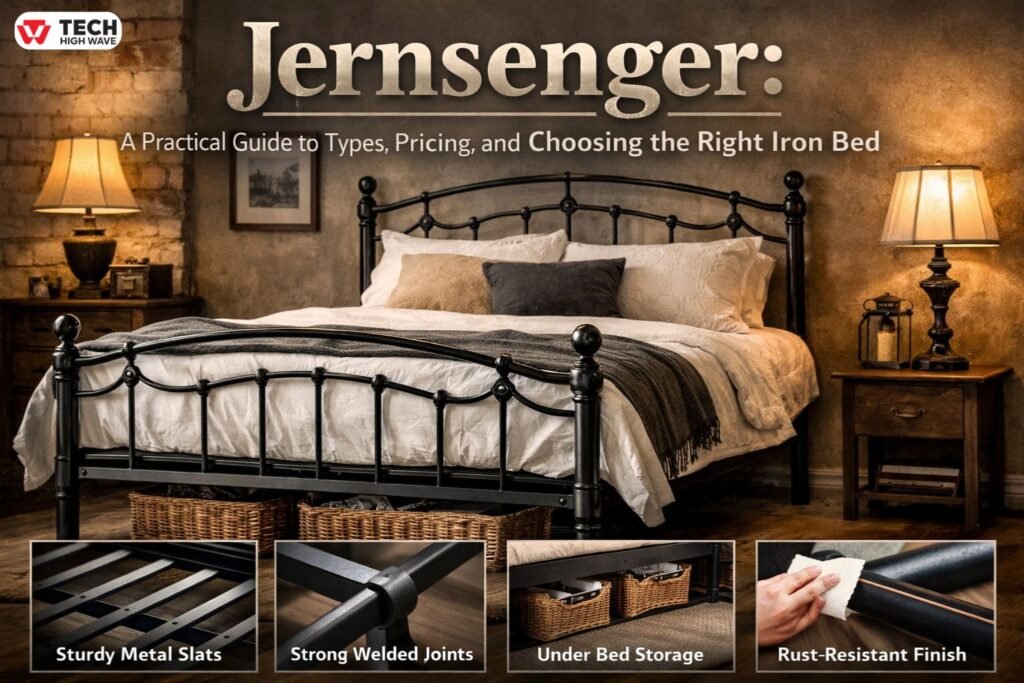
A bed frame usually looks like a simple decision—until it isn’t. Many options appear solid at first but start to creak, shift, or wear down faster than expected. That is often the point where jernsenger come into consideration.
Jernsenger are not new, but their popularity has grown again for a reason. They tend to last longer, require less maintenance, and fit into a wide range of interiors without much effort. In smaller homes, they often solve storage problems. In rental spaces, they reduce replacement costs.
This guide takes a closer look at what jernsenger are, how they actually perform in daily use, and what matters when choosing one that will hold up over time.
What Is Jernsenger?
Jernsenger are bed frames made from iron or steel. Some are simple and modern, others include decorative patterns or curved headboards. The structure is usually straightforward: a metal frame, support slats, and a finish that protects the surface.
Compared to wood, the difference becomes noticeable over time. Wooden frames can shift with humidity or develop cracks. Jernsenger do not behave the same way. They stay consistent, even after years of use.
That consistency is the main reason they are often chosen for both homes and shared spaces.
How Jernsenger Works
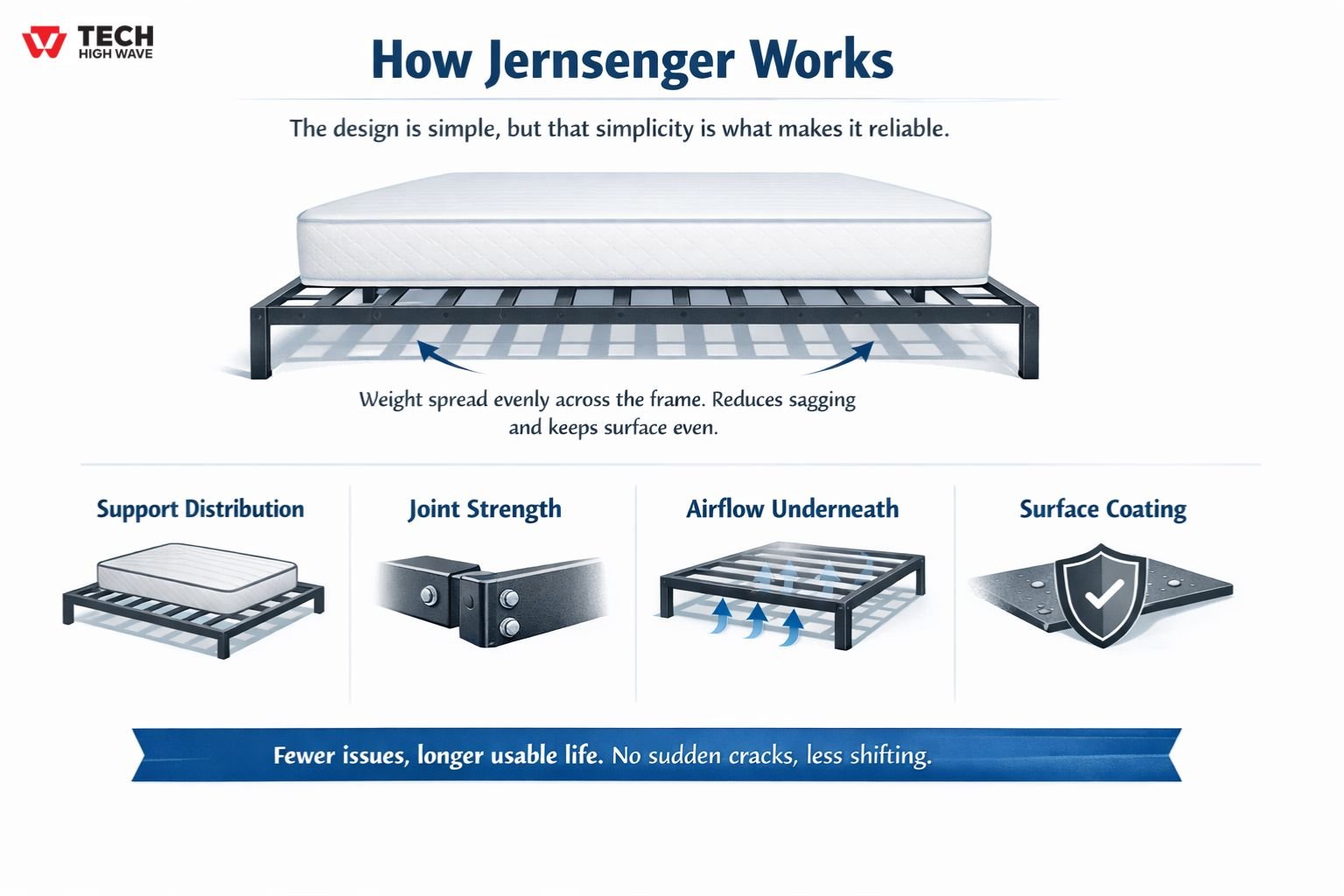
The design is simple, but that simplicity is what makes it reliable.
A mattress sits on metal slats or a grid. Instead of relying on a few support points, the weight spreads across the entire frame. This reduces sagging and keeps the sleeping surface even.
There are a few details that make a real difference:
-
Support distribution
Multiple slats hold the mattress evenly instead of letting it dip in the middle.
-
Joint strength
Frames are either welded or bolted. When done properly, movement stays minimal.
-
Airflow underneath
Open space below the mattress helps reduce moisture buildup.
-
Surface coating
Most frames are treated to resist rust and scratches.
In everyday use, this translates into fewer problems. No sudden cracks, less shifting, and generally a longer usable life.
Types of Jernsenger
Not every jernseng feels the same in a room. The type chosen often depends on space, style, and how the bed will be used.
Minimalist Frames
Straight lines, no extra detailing. These are common in modern apartments and are usually easier to move.
Decorative or Vintage Styles
Curved metalwork and visible headboards. These tend to stand out more and suit traditional interiors.
Storage-Friendly Designs
Raised frames with enough space underneath for boxes, luggage, or everyday storage.
Industrial Styles
Darker finishes, heavier look. Often paired with simple furniture and neutral colors.
Foldable or Compact Options
Used in guest rooms or temporary setups. Not always as strong, but useful where flexibility matters.
Also Read: Symbolism of Ticks: The Hidden Energy Drains You’re Ignoring (2026 Guide)
Key Features to Look for in Jernsenger
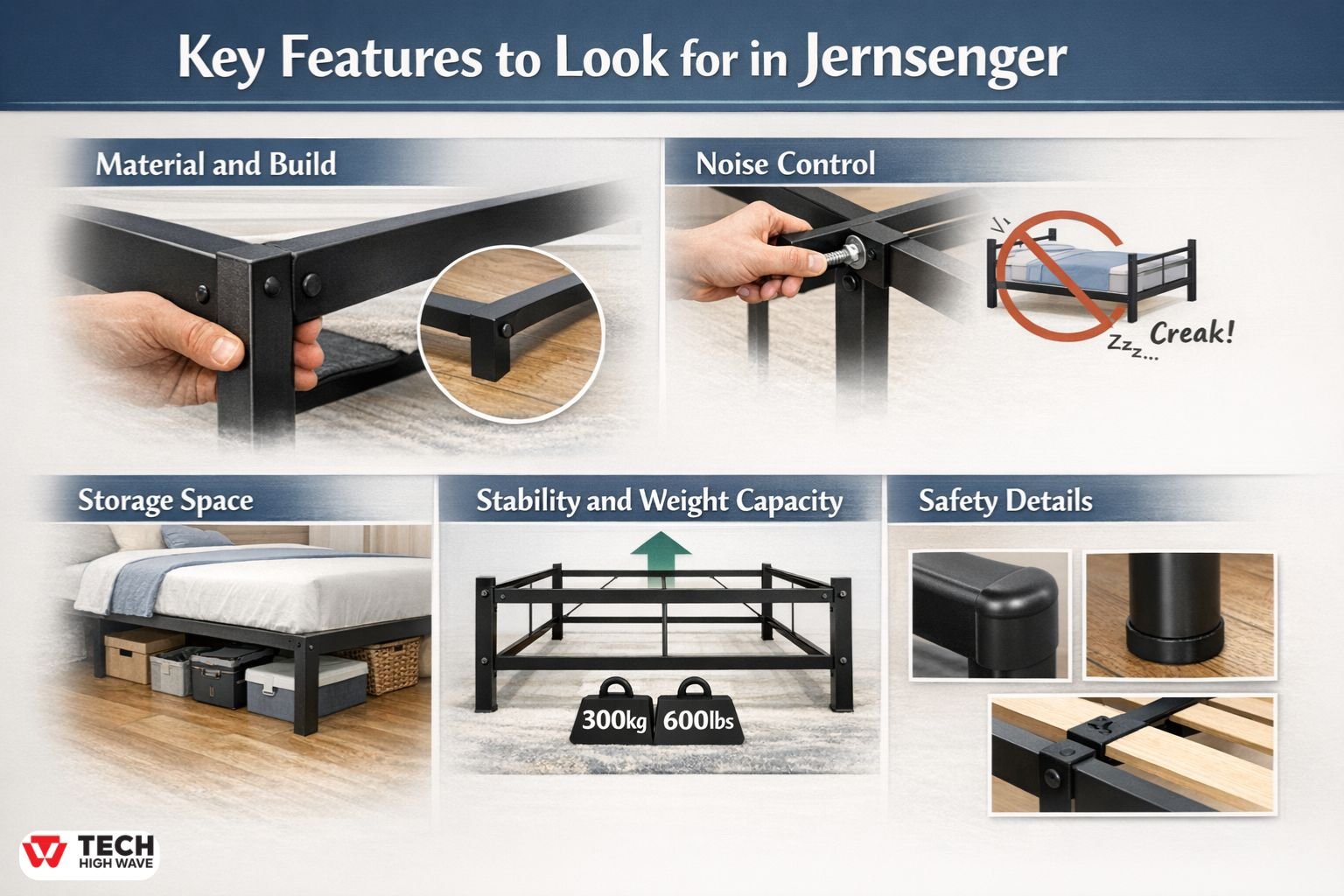
Material and Build
Not all metal frames are equal. Thicker steel or iron holds up better over time. Lighter frames may feel fine at first but can loosen faster.
A quick check: if the frame shifts when pressed or feels uneven, it likely won’t age well.
Noise Control
Metal beds sometimes get a reputation for noise. That usually comes down to loose joints or poor assembly.
A well-fitted jernseng should stay quiet. If parts are secure and aligned, there is little reason for it to creak.
Storage Space
In smaller rooms, the area under the bed often becomes storage by default. Some frames make this easier by offering more height.
In tight spaces, that extra clearance can replace a cabinet or shelf.
Stability and Weight Capacity
A stable frame should not wobble when weight shifts. This becomes more important in shared use, where movement is frequent.
Heavier frames tend to perform better here, but design also plays a role.
Safety Details
Small things matter—rounded edges, balanced legs, and proper alignment. These are not always visible at first, but they affect daily use.
Jernsenger vs Wooden Beds
| Feature | Jernsenger | Wooden Beds |
| Durability | High | Moderate |
| Maintenance | Low | Moderate |
| Resistance to Damage | Strong | Can crack or warp |
| Style | Modern / Industrial | Traditional |
| Lifespan | Long | Varies |
The difference is not just about appearance. It shows up over time, especially with daily use.
Best Uses for Jernsenger
Jernsenger tend to work well in situations where durability matters more than decoration alone.
-
Apartments
Space is limited, and storage becomes important.
-
Rental properties
Furniture needs to last through different occupants.
-
Family homes
Daily use adds wear, so stronger frames make sense.
-
Shared living spaces
Stability becomes more important when multiple people use the same setup.
-
Minimal interiors
Simple frames fit without overwhelming the room.
In many cases, the same frame stays in place for years without needing replacement.
Who Should Use Jernsenger?
They make sense for:
- Those looking for something long-lasting
- Homes where furniture sees regular use
- Spaces where maintenance needs to stay minimal
They may not suit:
- Interiors focused heavily on soft or upholstered designs
- Spaces built around traditional wooden aesthetics
That difference is mostly about preference, not performance.
How to Choose the Right Jernsenger
A few practical checks make the process easier.
Quick Checklist
- Confirm the material is solid, not overly thin
- Check that joints are secure
- Match the size with the mattress
- Look for a protective coating
- Measure available space carefully
- Consider how much storage is needed
Price Considerations
Prices vary depending on build quality and design. Lower-cost options may work for short-term use, but stronger frames usually justify the higher cost over time.
Common Problems and Simple Fixes
Even a good frame can develop small issues.
-
Squeaking
Usually fixed by tightening screws or adjusting connections.
-
Minor rust spots
Surface treatment or paint can prevent spreading.
-
Movement or wobble
Often linked to uneven floors rather than the frame itself.
-
Sliding mattress
Adding grip underneath usually solves it.
None of these problems are complex, but ignoring them can shorten the lifespan.
Common Mistakes to Avoid
- Choosing based only on appearance
- Ignoring measurements before buying
- Overloading beyond capacity
- Skipping basic assembly checks
These mistakes are common and often lead to early replacement.
Future Trends in Jernsenger (2026 Outlook)
Designs are gradually changing, but not dramatically.
- More compact frames for smaller homes
- Better coatings to prevent wear
- Modular designs that adjust over time
- Occasional integration of lighting or charging features
The core idea remains the same: strong, simple, and reliable.
FAQs
Q1: What are jernsenger made of?
They are made from iron or steel, usually coated to protect against rust and wear.
Q2: Are jernsenger durable?
Yes, they generally last longer than wooden frames because they resist cracking and structural changes.
Q3: Do jernsenger make noise?
They can if joints loosen, but proper assembly usually prevents this.
Q4: How long do jernsenger last?
A well-built frame can last for many years without major issues.
Q5: Are they suitable for small spaces?
Yes, especially designs with storage space underneath.
Q6: Do they rust easily?
Not usually, as most are coated, but damage to the surface can expose metal.
Q7: Are jernsenger easy to assemble?
Most are straightforward to assemble with basic tools and instructions.
Final Verdict
Jernsenger are not complicated products, but the difference shows over time. A well-made frame stays stable, requires little attention, and continues to do its job without much trouble. That reliability is what keeps them relevant, even as styles and preferences change.
Also Check: Are Wollmatten Worth It? 2026 Expert Guide