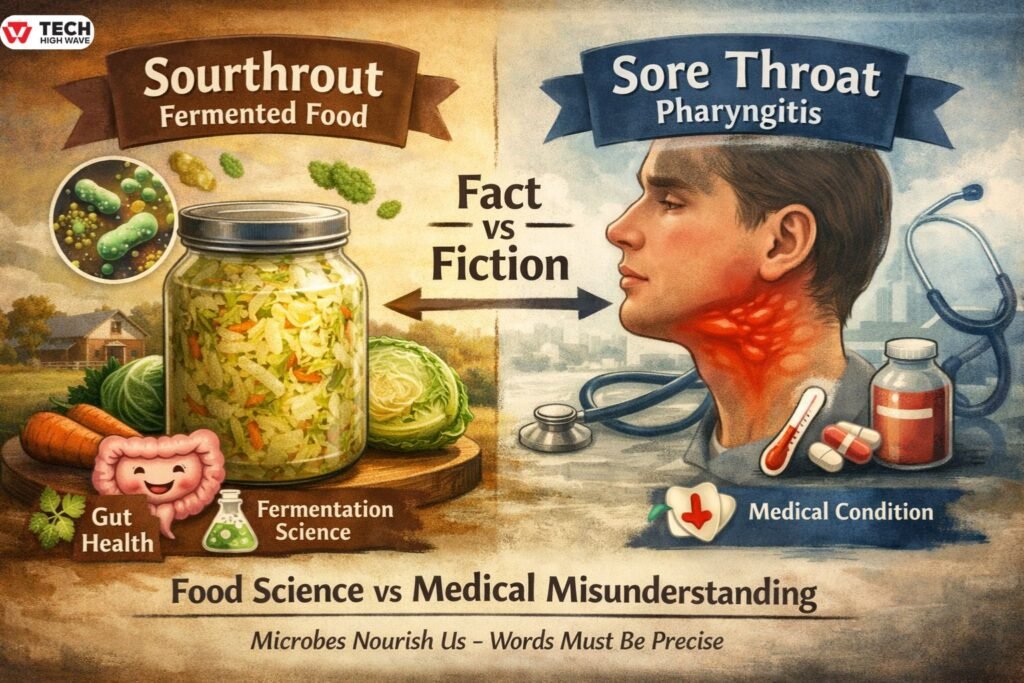
Search for sourthrout, and you’ll encounter something unusual. Some pages treat it like fermented food. Others blur it with sore throat or pharyngitis. That confusion isn’t trivial — it reflects how online terminology can drift, mixing culinary science with medical misunderstanding.
This guide separates those threads clearly.
First, we explore sourthrout as a fermentation concept — what it is, how it works, and why it matters in modern food science. Then we examine how the term has been mistakenly linked to throat illness, why that confusion happens, and what the medical reality actually is.
The goal isn’t just clarity. It’s understanding how fermentation, microbiology, and health communication intersect in 2026.
Sourthrout as Fermented Food — What It Actually Refers To
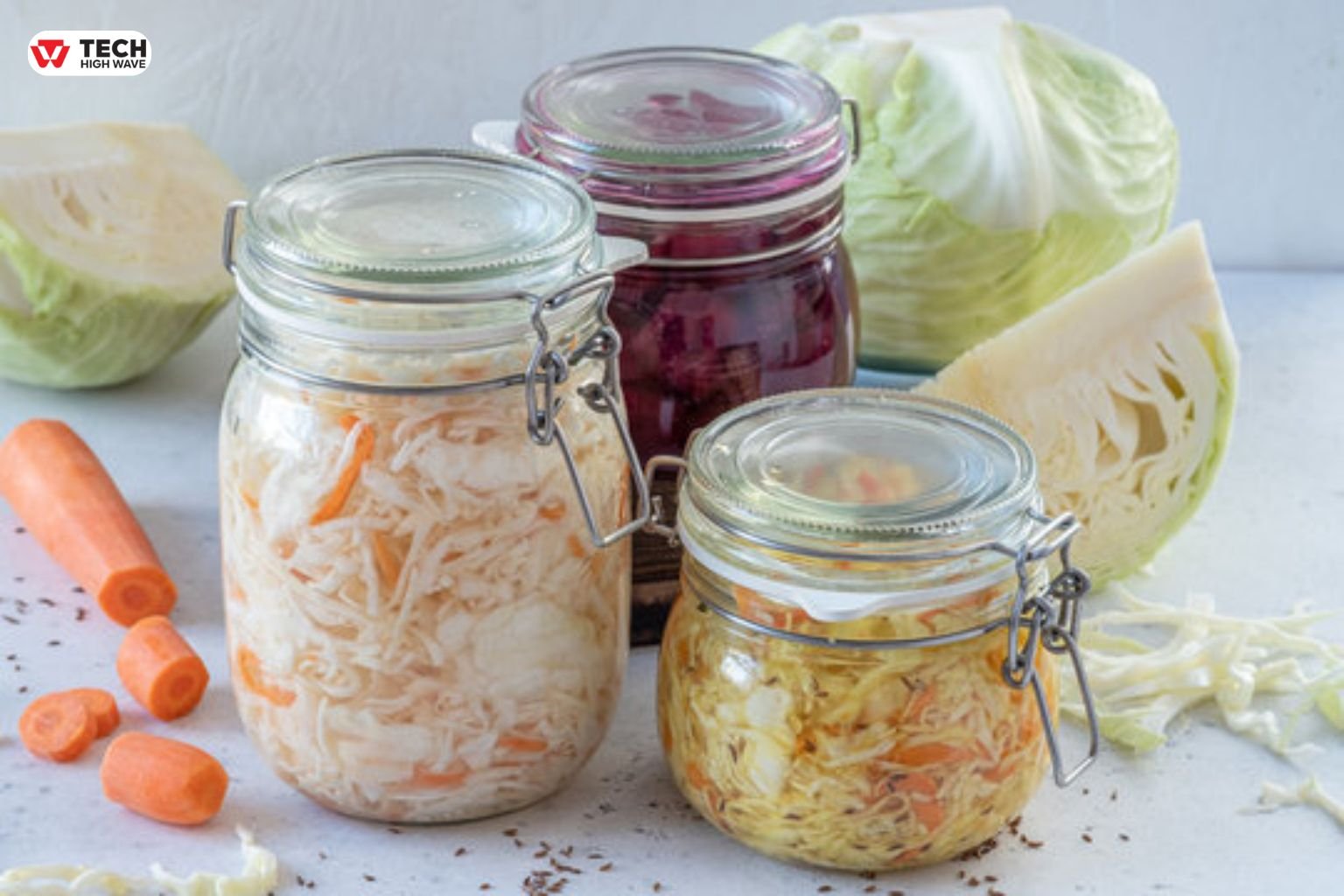
In food contexts, sourthrout describes an intensified sour-style vegetable fermentation, most often cabbage-based. It emphasizes:
- Extended lactic fermentation
- Natural acid production
- Microbial stabilization
Rather than quick vinegar pickling, sourthrout relies on natural bacterial metabolism converting sugars into lactic acid. That acid transforms:
- Flavor complexity
- Digestibility
- Shelf stability
- Texture
The result is a biologically altered food, not just preserved vegetables.
Extended fermentation deepens sourness while fostering beneficial bacterial ecosystems. This process isn’t decay — it’s controlled microbial succession.
The Science Behind Sourthrout Fermentation
Fermentation follows predictable stages:
Microbial Succession
- Early oxygen-tolerant microbes begin sugar breakdown
- Lactic acid bacteria dominate
- Rising acidity suppresses harmful organisms
As acidity increases:
- Nutrients remain stable
- Digestibility improves
- Spoilage risk drops
Modern microbiome research shows fermented vegetables contribute metabolic byproducts that support gut ecology. its not a medicine — but it’s biologically active food.
Why Sourthrout Matters in 2026
Three converging trends explain renewed relevance:
Gut Ecology Awareness
People increasingly understand digestion as a microbial system. Fermented foods contribute diversity and metabolic signaling.
Food Preservation Revival
Energy-efficient storage methods matter. Sourthrout represents low-tech resilience.
Culinary Acid Layering
Modern cooking values natural acidity over synthetic sharpness. Fermented sour notes provide complexity vinegar cannot mimic.
Where the Confusion Starts — Sourthrout vs Sore Throat
Some online articles blur sourthrout with throat infection terminology. One medical article from Liv Hospital discusses pharyngitis and includes language that resembles the term, likely due to translation or editorial drift.
Here’s the key clarification:
Sourthrout is not a medical diagnosis
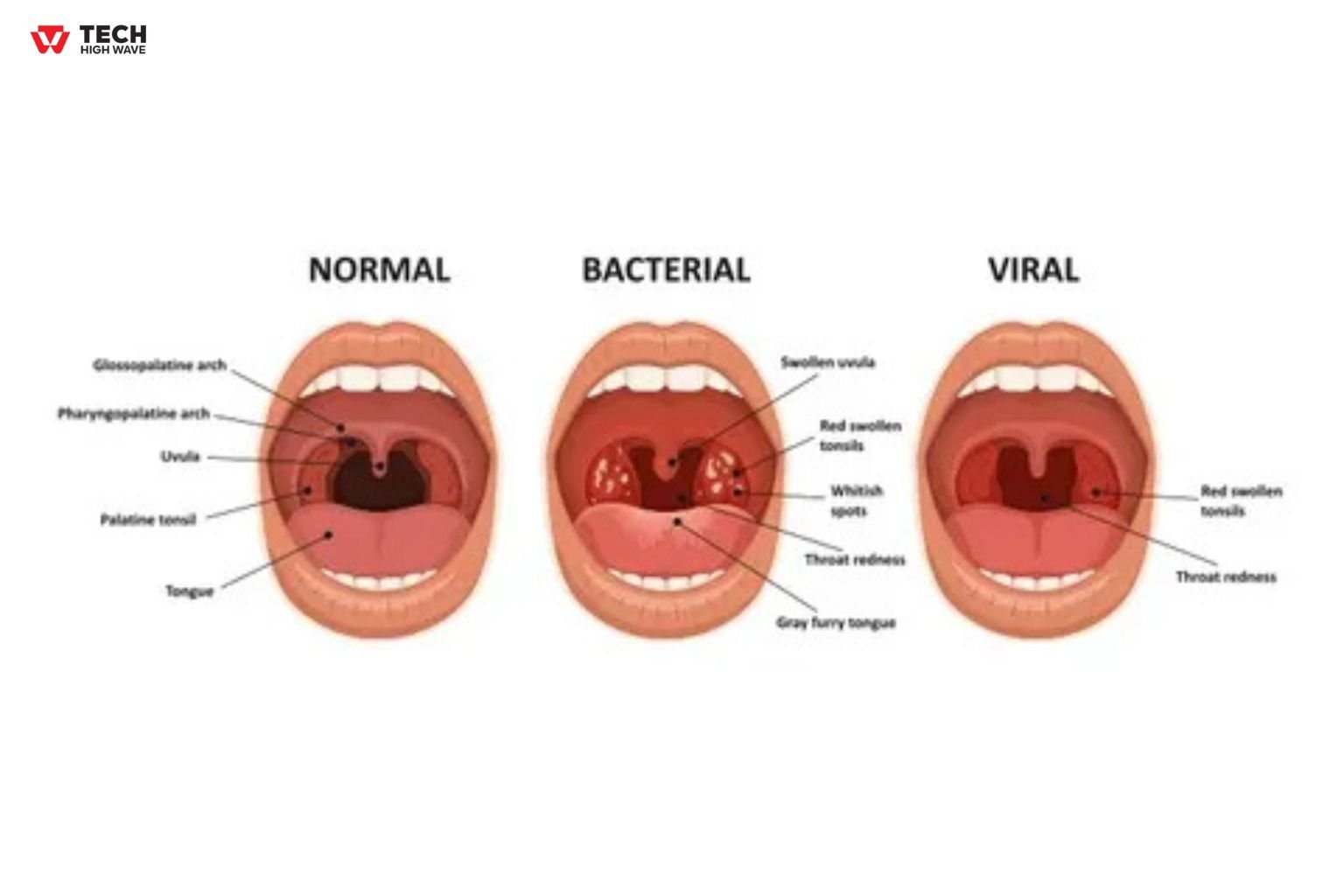
Pharyngitis — inflammation of the throat — is caused by viral or bacterial infection. It has no connection to fermented cabbage or food fermentation terminology.
What Pharyngitis Actually Is
Symptoms include:
- Throat pain
- Swallowing discomfort
- Redness
- Fever (in some cases)
Treatment depends on cause:
- Viral → supportive care
- Bacterial → antibiotics
The overlap exists purely at the word level — not biological function.
Why Online Terminology Drift Happens
Content ecosystems amplify small editorial errors:
- Automated keyword targeting
- Translation mismatches
- Medical content aggregation
- SEO-driven phrasing
Once published, misinterpretations propagate. Readers searching for sourthrout may encounter medical pages that appear authoritative but are contextually unrelated.
This illustrates a broader 2026 challenge:
Information accuracy now depends on semantic clarity.
Sourthrout vs Pickled & Fermented Vegetables
| Feature | Sourthrout | Quick Pickled Vegetables | Mild Ferments |
| Acid source | Natural fermentation | Added vinegar | Mixed fermentation |
| Microbial activity | High | Minimal | Moderate |
| Flavor depth | Strong sour complexity | Sharp acidity | Balanced tang |
| Shelf stability | High | Refrigeration dependent | Moderate |
| Digestibility change | Significant | Minimal | Moderate |
Sourthrout is fermentation-driven — not acid-added preservation.
Practical Implementation — Making Sourthrout at Home
Basic Method
- Finely shred fresh cabbage
- Add ~2% salt by weight
- Massage until liquid releases
- Pack tightly into jar
- Keep submerged
- Ferment 3–6 weeks
Best Practices
- Keep vegetables below brine
- Taste weekly
- Store cool after fermentation
- Use clean tools
Culinary Uses
- Grain bowls
- Fat-rich meats
- Soup finishing ingredient
- Salad acidity boost
Risks & Limitations
Fermentation Risks
- Mold from oxygen exposure
- Incorrect salt ratios
- Contamination
Medical Confusion Risk
Mistaking sourthrout terminology for health guidance could delay appropriate treatment. Always separate culinary terminology from clinical diagnosis.
Also check: What to Avoid When Taking Glutathione (2025 Safety Guide)
Common Misconceptions
“Sourthrout is spoiled cabbage.”
No — it’s structured fermentation.
“It’s related to sore throat illness.”
No — linguistic coincidence only.
“Fermented foods are unsafe.”
Proper technique stabilizes microbial growth.
“All sour cabbage is the same.”
Fermentation length changes chemistry and flavor.
FAQs
Q1: Is sourthrout a medical condition?
No. It’s a fermentation term. Throat infections fall under pharyngitis, which is unrelated.
Q2: Why does sourthrout taste stronger than pickled cabbage?
Natural fermentation produces organic acids and flavor compounds vinegar cannot replicate.
Q3: Can fermented foods help throat infections?
They may support gut health generally, but they are not treatment for pharyngitis.
Q4: How long should sourthrout ferment?
Three to six weeks produces stable acidity and flavor depth.
Q5: Is sourthrout probiotic?
Yes — naturally occurring lactic acid bacteria develop during fermentation.
The Bigger Picture — Food Science Meets Information Literacy
Sourthrout represents two modern realities:
- Fermentation remains one of humanity’s most elegant food preservation systems.
- Digital terminology drift can blur unrelated domains.
Understanding both protects culinary tradition and medical clarity.
Fermentation is microbial collaboration. Medicine is clinical science. They intersect in health awareness — but they are not interchangeable.
Also Read: Why People Think Palliative Care Is Bad — And the Truth You Need to Know
Conclusion
Sourthrout is not a disease. It’s a fermentation expression that transforms vegetables into complex, stable, biologically active food. The confusion surrounding the term highlights how easily language slips across domains in modern content ecosystems.
In 2026, informed readers benefit from separating culinary science from medical terminology. Doing so preserves both flavor tradition and health accuracy.
Sourthrout ultimately reminds us of something simple:
Microbes can nourish us.
Words must be precise.
And understanding both matters.
For more detail visit: TechHighWave